

Why Every Traditional Indian Wedding Begins with Shehnai?
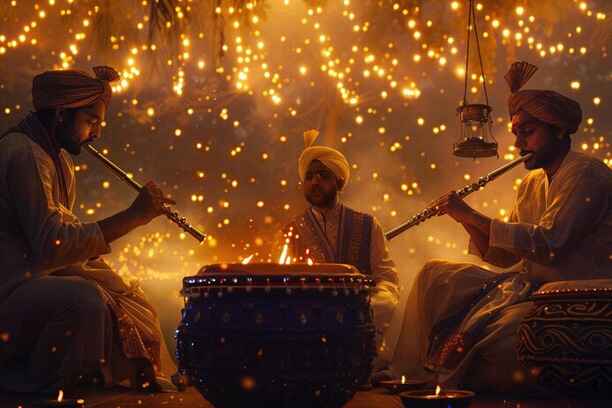
Indian weddings are rich in rituals, emotions, and sacred traditions that have been followed for generations. One of the most meaningful traditions is beginning the wedding ceremonies with the melodious sound of the shehnai. The presence of Wedding Shehnai is not just about music—it represents auspicious beginnings, divine blessings, and cultural heritage that make the wedding truly sacred.

Cultural Significance of Wedding Shehnai in India
The shehnai holds a revered place in Indian culture and is traditionally played during temples rituals and life’s most auspicious moments. Wedding Shehnai music is believed to purify the surroundings and invite positive energy into the ceremony.
Starting a wedding with shehnai music signifies respect for tradition and marks the event as spiritually meaningful.
Wedding Shehnai as a Symbol of New Beginnings
In Indian beliefs, the start of any important ceremony must be accompanied by auspicious sounds. Wedding Shehnai represents prosperity, happiness, and harmony.
Its melodious notes announce the beginning of a new chapter in the lives of the bride and groom, making Wedding Shehnai an essential part of traditional wedding ceremonies.
Role of Wedding Shehnai in Sacred Wedding Rituals
Wedding Shehnai music plays a vital role during important rituals such as the groom’s baraat arrival, bride’s entry, and mandap ceremonies. The soft tunes blend beautifully with Vedic chants and mantras.
The presence of Wedding Shehnai enhances the spiritual depth of rituals and creates an atmosphere filled with devotion and grace.
Emotional Connection Created by Wedding Shehnai
The sound of the shehnai has a deep emotional impact on families and guests. It often brings feelings of joy, nostalgia, and blessings from elders.
Wedding Shehnai music connects generations by reminding them of traditional weddings they have witnessed over the years, strengthening emotional bonds during the ceremony.
Preserving Heritage Through Wedding Shehnai
In modern times, weddings include DJs, live bands, and contemporary music. However, Wedding Shehnai remains irreplaceable when it comes to traditional rituals.
Including shehnai performances helps preserve India’s rich cultural heritage and passes down age-old customs to future generations.
Spiritual Energy and Positive Vibrations
It is believed that the vibrations created by Wedding Shehnai bring calmness and positivity to the wedding environment. The soothing music helps reduce anxiety during emotional moments and promotes peace during sacred rituals.
Beginning a wedding with Wedding Shehnai ensures the ceremony takes place in a spiritually uplifting atmosphere.
Wedding Shehnai as a Blessing for the Bride and Groom
Many families consider Wedding Shehnai to be a musical blessing for the newlyweds. The harmonious notes symbolize unity, balance, and mutual understanding—qualities essential for a successful marriage.
This belief makes Wedding Shehnai an important element in traditional wedding ceremonies across India.
Timeless Relevance of Wedding Shehnai
Despite changing trends and modern wedding styles, the charm of Wedding Shehnai has never faded. Its classical sound remains relevant across regions, cultures, and generations.
From royal weddings to intimate temple ceremonies, Wedding Shehnai continues to hold a timeless appeal.
Live Wedding Shehnai vs Recorded Music
Live Wedding Shehnai performances offer authenticity that recorded music cannot match. The artist adapts the melody according to rituals and emotions, making every moment feel organic and sacred.
This is why traditional families prefer live Wedding Shehnai to begin wedding ceremonies.
Conclusion
Every traditional Indian wedding begins with Wedding Shehnai because it represents purity, positivity, and divine blessings. Its melodious presence sets a sacred tone, strengthens emotional connections, and honors cultural heritage.
By starting wedding ceremonies with Wedding Shehnai, families ensure that the union of the bride and groom begins with harmony, grace, and timeless tradition.

0 Comments
Post Comment