

Timeless Traditions: Enchanting Celebrations with Indian Classical Musicians
Music has always been the heart of Indian culture — a divine art form that bridges emotions, generations, and traditions. Among the many musical heritages that India proudly upholds, Indian classical music stands as one of the most revered and sophisticated. It is not merely a performance; it is an experience that connects the soul to a higher sense of peace and beauty. Whether at a wedding, cultural celebration, or a private gathering, the magic of Indian classical musicians transforms any event into a regal and spiritual affair.

The Essence of Indian Classical Music
Indian classical music has evolved over thousands of years, deeply rooted in spiritual and philosophical traditions. It is built upon two primary systems — Hindustani from the North and Carnatic from the South. Both forms are unique in their structure, yet they share the same essence: devotion, rhythm, and emotion.
When Indian classical musicians perform, they don’t just play notes — they weave stories through ragas and talas. A raga expresses emotions and moods associated with different times of the day and seasons, while a tala sets the rhythmic foundation that gives the performance its heartbeat. Together, these elements bring the audience into a meditative state, creating an atmosphere of harmony and divinity.
The beauty of Indian classical music lies in its improvisational nature. Every performance is distinct, shaped by the artist’s creativity and emotional connection at that moment. This spontaneity allows Indian classical musicians to connect deeply with their audience, creating a shared journey of emotion, energy, and tranquility.
The Role of Indian Classical Musicians in Modern Celebrations
Today’s celebrations, especially weddings, are grand amalgamations of culture, tradition, and modern style. Amidst this blend, Indian classical musicians bring a sense of authenticity and elegance that few other performances can match. Their music adds a layer of refinement and spiritual significance to the event, making every moment memorable.
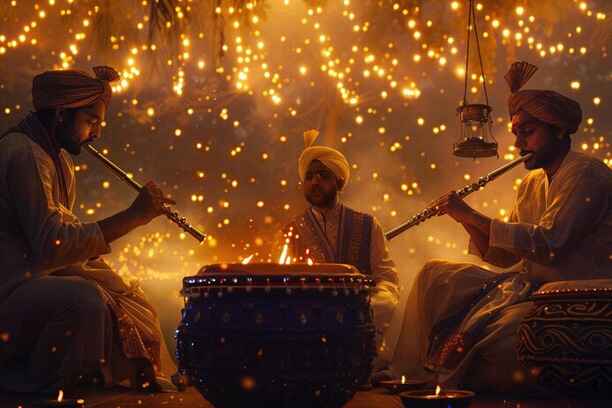
Imagine the soothing sound of a flute resonating through the air during a wedding ceremony, or the rhythmic beats of the tabla setting the pace for a graceful entrance. The gentle strumming of the sitar or the melodic notes of the sarangi create an atmosphere that feels both royal and serene. These moments remind everyone of India’s rich cultural tapestry and timeless traditions.
At a wedding, classical music is not just entertainment — it becomes an expression of emotion. From the bride’s graceful walk down the aisle to the couple’s first moments together as partners, the melodies create a sacred ambiance. The calmness and divinity of the music touch every soul, turning a joyous event into an unforgettable spiritual celebration.
A Blend of Tradition and Modern Taste
While Indian classical music holds deep traditional roots, its appeal has never been limited to history. In recent times, Indian classical musicians have beautifully blended traditional ragas with modern interpretations, bringing the best of both worlds to audiences. This fusion allows them to cater to all age groups and event types — from traditional wedding ceremonies to chic cocktail nights.
The sitar and tabla can effortlessly accompany soft vocals or even blend with Western instruments like the violin or piano, creating a mesmerizing fusion. This versatility makes Indian classical music adaptable for any celebration — grand, intimate, or contemporary.
Modern listeners appreciate this mix of purity and innovation. It honors the past while embracing the present, ensuring that classical music continues to thrive in new, creative forms.
Instruments that Define Indian Classical Music
Every instrument in Indian classical music tells its own story. Each one carries a unique sound that represents a facet of India’s diverse culture.
Sitar: Known for its deep, resonant tones, the sitar is a symbol of Indian musical sophistication. Its sound instantly evokes emotions of nostalgia and peace.
Tabla: The heartbeat of Indian music, the tabla brings rhythm and life to every performance. Its beats can be soft and meditative or energetic and powerful, depending on the mood of the raga.
Flute (Bansuri): The flute is often associated with divine love, particularly the story of Lord Krishna. Its gentle melodies are ideal for spiritual moments in weddings or cultural functions.
Sarod: Rich and expressive, the sarod brings depth and gravitas to Indian classical performances. Its sound feels soulful, creating an emotional connection with the audience.
Veena: Revered as the instrument of Goddess Saraswati, the veena embodies knowledge, art, and devotion. Its presence in any event adds a touch of sacredness and tradition.
These instruments, when played together by skilled Indian classical musicians, create an orchestral experience that is both intricate and enchanting.
The Experience of Live Classical Music
Recorded music has its charm, but nothing compares to the power of live performance. When Indian classical musicians perform live, they create an atmosphere of intimacy and energy that engages every listener. The subtle changes in tone, the improvisations, and the synergy between the artists bring the performance to life.
Guests at weddings or events often describe such experiences as “soulful” and “transporting.” It’s not just the music; it’s the emotion behind each note. Live Indian classical performances leave lasting impressions, reminding everyone that true beauty lies in simplicity, emotion, and authenticity.
Why Choose Indian Classical Musicians for Your Event
Choosing Indian classical musicians for an event is not just about sound — it’s about creating a feeling. Their music transcends words, touching the hearts of guests and elevating the event’s ambiance. Whether it’s a grand destination wedding, a traditional mehendi evening, or a sophisticated reception, classical music enhances the mood with its elegance.
Some of the key reasons to include Indian classical performances are:
Cultural Depth: They represent India’s rich musical heritage and give the event a sense of authenticity.
Spiritual Serenity: The calming melodies help guests feel relaxed and connected.
Elegance: Classical music elevates the sophistication and style of the celebration.
Memorable Impact: The music creates moments that guests remember long after the event.
By blending rhythm, and grace, musicians transform an event into a timeless memory.

0 Comments
Post Comment